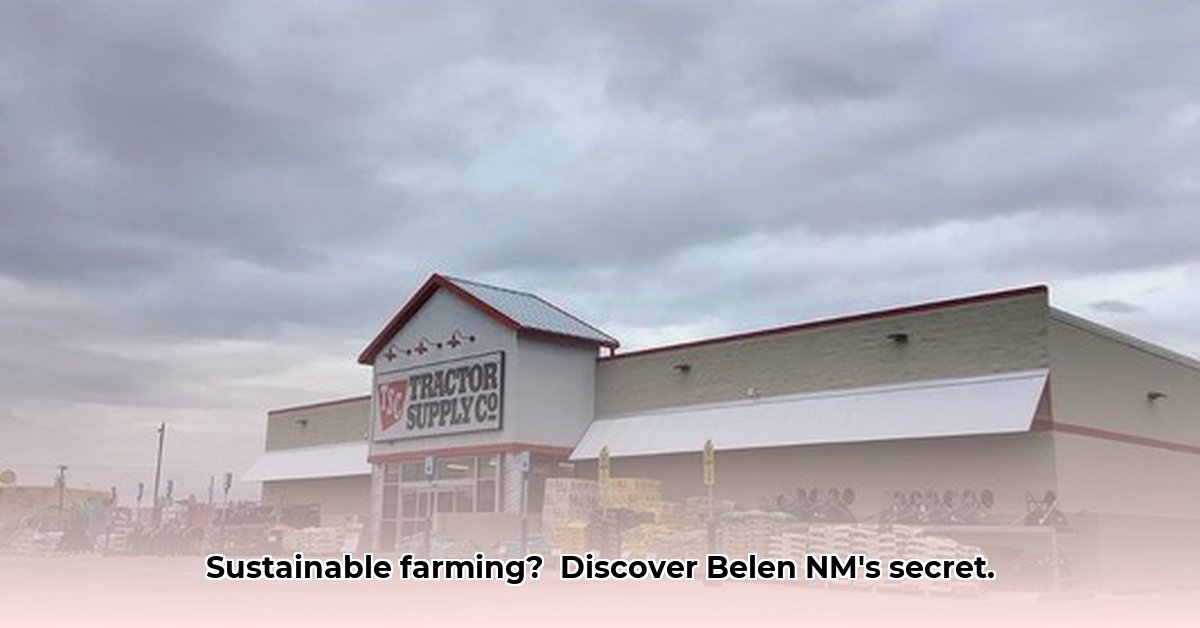
Tractor Supply (TSC) in Belen, New Mexico, plays a multifaceted role in the state's agricultural landscape. While convenient access to essential supplies undeniably boosts local food production, its overall impact on sustainable farming practices requires a nuanced examination. Learn more about this specific location at TSC Belen. This article explores TSC's contributions, challenges, and the path towards a more sustainable future for New Mexico agriculture.
TSC's Role in Supporting Sustainable Farming Practices
TSC's Belen location serves as a vital resource for farmers and ranchers, offering a wide array of products that can contribute to sustainable practices. But convenient access to supplies is only one piece of the puzzle. How effective is TSC in promoting broader sustainability?
Access to Essential Supplies: A Double-Edged Sword
The convenience of a one-stop shop for farm supplies is a significant advantage for Belen's agricultural community. Farmers can quickly obtain crucial items like irrigation parts, seeds, and animal feed, improving operational efficiency and potentially increasing yields. However, this convenience must be weighed against the environmental impact of transporting these goods. What is the carbon footprint associated with TSC's supply chain, and how can it be minimized?
Product Offerings Promoting Sustainability
TSC stocks products explicitly designed to support sustainable farming. These include:
- Water-efficient irrigation systems: Drip irrigation and other water-saving technologies are essential in New Mexico's arid climate.
- Drought-resistant seeds: Access to seeds specifically bred to withstand drought conditions is crucial for successful farming.
- Organic and natural products: The availability of organic fertilizers and pest control solutions contributes to minimizing the use of synthetic chemicals.
However, the sourcing and production methods of these products warrant further investigation. Are these products truly sustainable throughout their entire life cycle? Can TSC provide greater transparency regarding its supply chain?
Challenges and Opportunities for Improvement
While TSC offers valuable resources, certain aspects require improvement to fully embrace sustainable principles.
Challenges:
- Supply Chain Transparency: Lack of complete transparency about product sourcing and production raises concerns about the overall sustainability of the supply chain. Detailed information on sourcing practices is crucial for building trust and accountability.
- Environmental Impact of Transportation: The carbon footprint of transporting goods to and from TSC must be addressed to minimize the environmental impact. Exploring alternative transportation methods and localized sourcing could mitigate these concerns.
- Potential for Unsustainable Practices: Some products, if used improperly, could contribute to unsustainable farming practices. Clear guidelines and educational initiatives are needed to promote responsible usage.
Opportunities:
- Expanding Sustainable Product Offerings: TSC can bolster its commitment to sustainability by expanding its range of organic, biodynamic, and locally sourced products.
- Promoting Water Conservation Education: Workshops and seminars on water management techniques would greatly benefit New Mexico's farmers, furthering the adoption of sustainable practices.
- Collaborating with Local Organizations: Partnerships with local agricultural extension services and environmental organizations could strengthen the impact of TSC's sustainability efforts.
Actionable Steps for a More Sustainable Future
To realize the full potential of TSC in promoting sustainable agriculture in Belen and beyond, the following steps are crucial:
- Enhance Supply Chain Transparency: Publicly disclosing detailed information on sourcing practices, including environmental and social impact assessments of suppliers.
- Implement Sustainable Transportation Practices: Investing in more fuel-efficient vehicles, exploring alternative transportation options, and promoting local sourcing to minimize the carbon footprint.
- Expand Educational Initiatives: Offer regular workshops, seminars, and online resources on sustainable farming practices tailored to the New Mexico climate.
- Strengthen Community Engagement: Collaborate with local farmers, organizations, and government agencies to address specific regional challenges and promote best practices.
- Promote the use of data-driven decision-making: Encourage farmers to utilize soil sensors, weather data, and other technologies to optimize resource use and reduce waste.
By addressing these challenges and seizing the opportunities presented, TSC can significantly enhance its role in supporting a thriving and sustainable agricultural future for New Mexico. This requires a commitment to transparency, education, and collaboration with the local community.